

In Indian films, they have been a metaphor—for strength, resilience, and vulnerability. Women have transformed from being docile homemakers, unmarried sisters, or daughters that worked because of the compulsion to make ends meet to women driven by ambition, unafraid to dream big, and with the will to prove their mettle.
The strong women in films
A woman fighting odds has been a favorite subject for decades now. Filmmaker Satyajit Ray made the iconic Mahanagar, depicting the struggles of a family in the metro (Calcutta) in 1963. The wife (Madhabi Mukherjee), who begins to work, is the protagonist in probably the earliest portrayal of a working woman. Battling hurdles, she meets the demands of her family and copes with resistance from within the family, especially the men in the house.
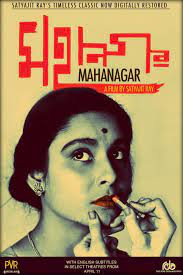
Image courtesy: Feminism in India
When the feminist movement peaked in the country, it was only natural for it to reflect in the works made by filmmakers across industries.
Tamil film Sila Nerangalil Sila Manithargal, A. Bhimsingh’s adaptation of the novel penned by Jayakanthan by the same name narrated the story of Ganga (Lakshmi), a successful woman yet an outcast to her family and society because of her scandalous past. From K. Balachander’s Aval Oru Thodar Kathai to Bharathiraja’s coming-of-age 16 Vayathinile, C. Rudraiah’s Aval Appadithan and Balu Mahendra’s Veedu –- there have been enough examples of women-centric roles that captured her grit and determination. However, there was still a little to show for her career aspirations. Among the few was Umbartha (Marathi), starring Smita Patil as a woman from a traditional family who set out to find her identity, even if it meant losing everything. Known for playing feisty characters in her short but celebrated career, Smita, yet again in Aakhir Kyon?, narrated the travails of an abandoned woman rising above the challenges to establishing herself as a writer.
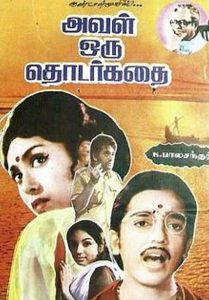
Image courtesy: IMDb
The stereotypes
Predominantly Indian films have portrayed them as soft, meek, cute, or pretty replete with gender stereotypes. It is a troublesome representation considering the impact films have on the public psyche and the potential to change paradigms.
In 2017, IBM Research detected bias in the Bollywood industry, after scientifically analyzing over 4000 films from 1970 to 2017. it was found that there were stark differences in the plot mentions of male and female actors. The adjectives used for men were honest, innocent, affluent, strong, and successful. For women, there were terms like pretty, attractive, modern, beautiful, etc. The bias has been expounded in the system too, as discovered by the tech giant, because of decades of data being biased.
As per a 2017 report by the Geena Davis Institute, only one in ten directors in Bollywood are women. It also found out that the screen time for females was a mere 31.5 percent, against the 68.5 percent received by male actors.
Change on the horizon
The last decade has seen a shift across industries. From the likes of Vidya Balan, and Priyanka Chopra, Deepika Padukone and Kangana Ranaut, to Kollywood’s Nayanthara, the balance has shifted a little towards women in the lead.
From the early 2000s, the roles graduated to a contemporary portrayal – of being ambition-driven, competitive, and even vengeful—breaking the mold of the sacrificial lamb in the family. This was also the time when we saw more women donning the director’s hat.
Industries across have picked up the need to bring a more realistic representation moving beyond the tropes. We have seen them as spirited and focused in multiple avatars. Corporate and Filhaal showed them in leadership and progressive roles, while Band Baaja Baaraat spoke of a spunky young woman on a mission to find her own feet in the colorful wedding scenes—not as the coy bride but as the wedding planner. Page 3 turned the spotlight on a firebrand woman journalist on a mission to unearth stories. From Aramm to Sherni we have seen them impacting as leaders. With OTT barging into the space, there is a more diverse appeal being made by the filmmakers, jostling for their share in the market by offering something novel.

Image Courtesy: IMDb

Image Courtesy: IMDb
While the number of career-driven women roles in films has increased, it is still far from the desired picture. However, it leaves one hoping that they will no longer be on the margins and are on a par with macho heroes and angry men.