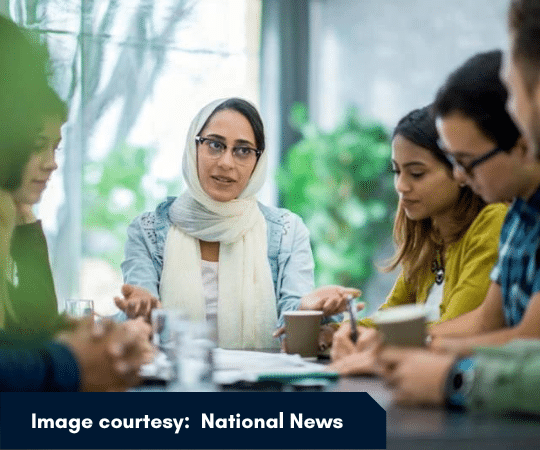
Second-generation gender bias in the Indian workplace refers to the subtle, often non-conscious biases that exist within the workplace, perpetuated by both men and women. It can prevent women from advancing in their careers.
Gender stereotypes: Gender stereotypes are deeply ingrained in our society, and these stereotypes often shape our perceptions of what jobs are suitable for men and women. Women are often expected to take on nurturing roles, such as teaching or healthcare, while men are expected to take on leadership roles. This can lead to women being overlooked for leadership positions, even when they have the necessary skills and qualifications.
Family expectations: Women in India are often expected to prioritize their families over their careers. This can make it difficult for women to balance their work and home responsibilities, and they are less likely to pursue ambitious career goals.
Lack of representation: When women are underrepresented in leadership positions, it can create a vicious cycle where women are less likely to be promoted because there are few female role models at the top. This lack of representation can make it difficult for women to find mentors and advocates within their organizations.
Micro-aggressions: Micro-aggressions are subtle, often unintentional acts of discrimination that can have a significant impact on women’s careers. Some examples of micro-aggressions include being interrupted or talked over in meetings, being excluded from informal networking opportunities, or being subjected to inappropriate comments or jokes.
Non-conscious bias: Non-conscious bias refers to the subtle or implicit biases we hold about certain groups of people. The bias can impact hiring, promotion, and evaluation processes and make it more difficult for women to advance in their careers.
To address second-generation gender bias in the Indian workplace, it is important to raise awareness of these issues and to create policies and practices that promote gender equality. It can include initiatives such as mentoring and sponsorship programs, unconscious or non-conscious bias training, and diversity and inclusion initiatives. By creating a more inclusive workplace culture, we can help ensure that women have equal opportunities to advance in their careers and reach their full potential.