
In the premiere episode of the podcast series on courageous leadership, Tarun NP Varma, Global Chief Human Resources and Sustainability Officer at Tata Consumer Products, shares a deeply personal and practical perspective on what it means to lead with inclusion. Drawing from his roots and professional journey, Tarun’s leadership philosophy is shaped by lived experiences – both at home and globally.
Inclusion Begins at Home
Tarun reflects on his childhood where inclusion wasn’t a concept, but a lived value. His father supported his mother in completing her education – an act that empowered her to become a teacher and positively influence many others. Growing up in Germany, Tarun experienced first-hand how inclusion can build bridges across cultures, something that has stayed with him as a core value throughout his leadership journey.
Making DEI Come Alive in Organizations
When asked whether Diversity, Equity, and Inclusion (DEI) is difficult to implement, Tarun shares a sharp insight, “Diversity is like common sense – something we all have access to, yet it’s not always common.”
While the structural aspects of diversity can be powered from the ground up, it is inclusion that poses the real challenge. “Inclusion is about intent,” he says. “And the journey to unlocking mindsets is never easy.” According to Tarun, the hardest part is getting people to move beyond awareness into actionable inclusion.
Teaching Inclusion in a Changing World
The world is evolving, and so are the expectations from leaders. Tarun candidly admits, “We serve 250 million households. Imagine the responsibility – it means our decisions impact diverse lives.”
He believes corporates must bring the voice of their customers into their decision-making – and that requires inclusive thinking at every level, especially at the top.
The Power of Inclusive Leadership
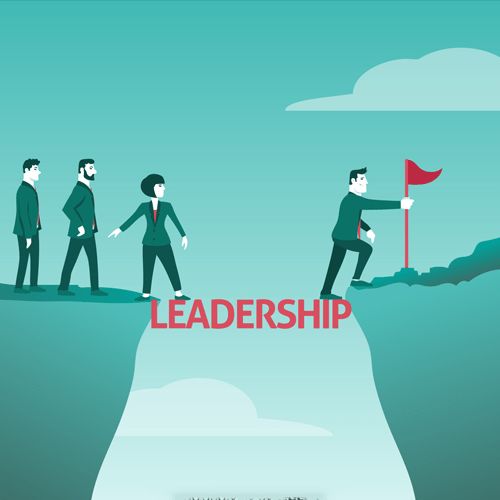
Tarun emphasizes that diversity in leadership is not just symbolic, it is transformative. “What we see at the top reflects what we value as a culture.” Diversity hiring, inclusive policies, and attention to micro-behaviors all play a role—but it is leadership that makes or breaks it.
“Organizations are born to touch lives – society is a stakeholder. But unless leaders embody that, culture won’t evolve.”
Integration Through Culture: A Tata Consumer Story
Discussing how to assess the DEI orientation of merging organizations, Tarun speaks about the importance of cultural integration. When Tata Consumer Products rebranded, the name itself signalled their inclusive intent – putting the “consumer” at the heart of the company.
With operations spanning plantations, estates, and global markets, Tarun highlights that their DEI journey goes beyond hiring practices – it’s about cultural harmonization. “From women in estates to multicultural teams across geographies, inclusion is part of how we operate – not just what we aim for.”
Inclusion is Intent in Action
Tarun Varma’s insights make it clear that inclusive leadership is both a responsibility and a choice. It demands personal courage, systemic thinking, and relentless focus. As businesses become more interconnected with society, inclusion will no longer be optional – it will be essential for sustainable success. “True DEI is when leadership listens, cultures adapt, and people thrive – together.”
What does inclusive leadership look like in action? Tarun Varma breaks it down. Click Here