
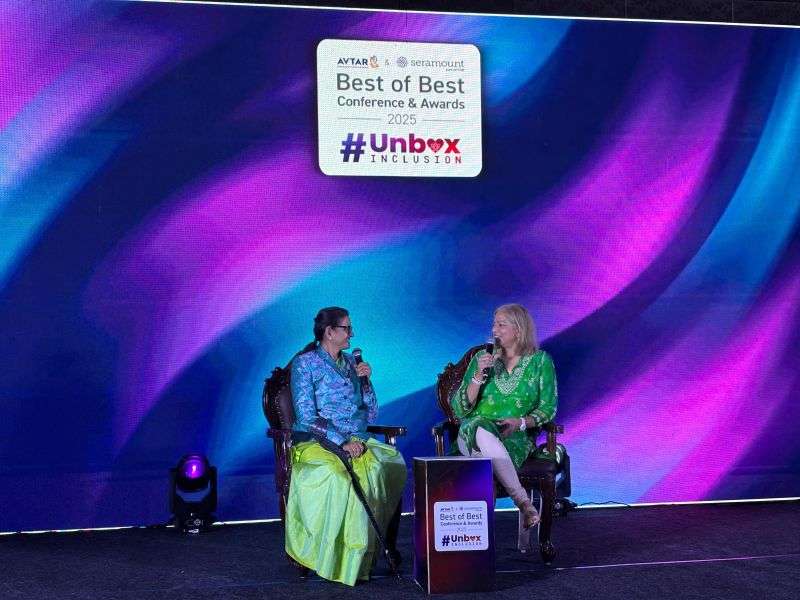
It has been a decade since Avtar (in partnership with US based Seramount) introduced the Best Companies for Women in India (BCWI) study, to corporate India. In its extremely successful 10-year run, BCWI has inspired several inclusion benchmarks, influenced policy changes and catalyzed cultural transformation across India Inc. This article is a walk down this data-driven memory lane – of how paradigms have shifted, industries have evolved and pursuits have become aspirational!
When we launched the study in 2016, there were no standardized inclusion benchmarks available for India geography. Organizations were setting their Diversity, Equity & Inclusion roadmaps based on global reference points and extrapolations for the India context. The market realities for India were largely understood anecdotally and were not data-informed. This meant inclusion strategies were often not able to produce results and course correction was required frequently. With the advent of BCWI, a lot has shifted – through its data centric approach, BCWI requires every applicant company to report 350+ inclusion and policy metrices across seven important clusters namely workforce profile, recruitment, retention & advancement programs, safety & security, flexible work, parental leave & benefits, work-life support programs and leadership accountability towards DEI. Beyond producing a list of front-runner companies (which has expanded from a list of 100 companies in 2016 to 125 companies in 2025), BCWI has led to increased process discipline, intensified data rigour and improved effectiveness around Diversity, Equity and Inclusion programs, across organizations that participate.
The growth story is for all to see – average women’s representation has gone up by 11%, from 25% in 2016 to 36% in 2025. Women’s representation in leadership has also seen a remarkable 7% jump – from 13% women in leadership in 2016, the ratio hit 20% for the very first time in 2025. Amongst industries, Professional Services leads with 45% of workforce being women, followed by ITES with 42% women and GCC with 38% women. Pharma leads in the ratio of women in leadership – 25% of Corporate Executives are women in the sector, followed by the GCC with 22% women at leadership levels. From a hiring stand-point, overall percentage of women hires stand at 38% (up from 26% in 2016). Industries like pharma and FMCG are fast catching up with more than 30% of all hires being women, manufacturing reports 32% women hires at leadership levels. Stats also indicate increased adoption of programs – the number of companies offering formal career sponsorship for career advancement has jumped up from 45% in 2016 to 71% in 2025; similarly, the number of companies with specialised recruitment tracks for engaging with second career women has increased from 30% in 2016 to 71% in 2025.
It is heartening to also note the commitment grow in companies that participate consistently. EY, one of the 2025 Top 10 Best Companies for Women in India (also inducted into the “Hall of Honour” for featuring in Top 10 consistently for 10 years), expresses the commitment, thus, “At EY, we recognize the impact of gender equity on business performance. We’re breaking down barriers and crafting a culture where diverse careers can flourish. By valuing unique perspectives, we’re not just advancing women professionals but driving innovation, advancing inclusiveness, and enabling success for everyone.”, Sandeep Kohli, EY GDS and EY Global Enablement, Talent Leader. Leadership at Tech Mahindra, yet another 2025 Top 10 Best Company for Women in India, shares, “Empowering women at the workplace isn’t just a goal, it’s a commitment to do what is right. By doing this, we not only uplift individuals but help the entire organization rise. Our thanks to Avtar & Seramount for recognizing us amongst the Top 10 Best Companies for Women in India.” Richard Lobo, Global Chief People Officer, Tech Mahindra.
Let us also be cognizant of the fact that the road to gender-balance in corporate India is not without its share of pitfalls. Even while the front-runners continue innovating to deliver inclusion, challenges galore continue – women’s representation drops sharply from 39% at entry levels to just about half of this in top echelons. Organizations continue to lose talent (both women and men) at the rate of 20%. Health and well-being challenges have emerged as a more dominant exit reason for women’s exits, even more than childcare responsibilities, indicating the need for the design of holistic employee well-being strategies. Women’s aspirations around career enablement and growth have evolved from basic requirements like child-care support and work-life flexibility to strategic enablers like mentoring and coaching.
The BCWI metrices establish that now is the time to intensify focus, to learn from collective growth, leverage potential opportunities and accelerate the pursuit of gender balance. With women’s workforce participation emerging as a key lever of economic progress of our country, we look forward to BCWI contributing to nation-building, in the years to come.