

From being the butt of jokes, ridicule, and slurs, to today, when they are protagonists coming out with their stories of the need and struggle for acceptance through a separate category called queer films, nothing has been more transformative than the LGBTQ stories in Indian cinema.
One of the earliest depictions of transpersons dates back several decades when they were seen in a blink-and-miss role- an aide to the madam in the kothas or the courtesans in social dramas.
However, over decades, when Hollywood-inspired rhapsody in film storylines banked heavily on the concept of the feel-good factor with music and fun, you could see them as the effeminate friend of the hero or the heroine without spelling out their identity.
The mainstream stories, however, continued to pamper the chocolate boy or the macho hero, relegating them to the sides as moments of comedy and slapstick. From that era, Rafoo Chakkar, a story inspired by Some Like It Hot is a classic case study on how filmmakers treated straight characters pretending to be the other gender. Starring Rishi Kapoor and Paintal crossdressing in flowy skirts and auburn wigs, they were seen as adorable or cute. However, transpersons were far from receiving the adulation or similar treatment. Manmohan Desai’s iconic Amar Akbar Anthony made them a caricature with a mean twist, even as they broke into an animated street dance.
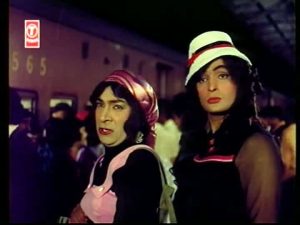
Image courtesy: Cinema Chaat
The firsts
In 1978, the Malayalam industry presented the story of two women, Randu Penkuttikal helmed by Mohan, normalized lesbian relationships at a time when conventional love stories were the norm. Possibly the first film to take on the topic.
Soon, playwright Vijay Tendulkar staged his pathbreaking Marathi play, Mitrachi Goshta, about two college-going women’s relationship in a triangle love story.
Tendulkar later wrote the screenplay for the Marathi flick Umbarta (Subah in Hindi) by Jabbar Patel, delving into the discrimination such relationship earned, in the backdrop of a remand home for women. It married a controversial theme with the cause of women’s liberation and women’s quest for their own identity.
Stereotypes galore, and Fire moment
However, problematic portrayals continued well into the 90s. Inspired by Robert De Niro-starrer Taxi Driver, Mahesh Bhatt’s Sadak had a boorish and perverted antagonist, a transperson running a brothel.
Adding the much-need fuel, in the mid-90s, Deepa Mehta’s Fire on same-sex relationships kicked off the discussion on the big screen.
In the same decade, Bhatt’s Tamanna, the saga of a transperson and his bond with his adopted daughter, moistened eyes and warmed hearts with its sensitive portrayal.
Soon, the turn of the new millennium witnessed even a conventional Tamil industry making Appu, albeit with the agonizing representation of an evil eunuch inspired by Sadak.
The changemakers
Throughout the first decade of the 2000s, filmmakers explored the queer topic through My Brother Nikhil, Thang, I Can’t Think Straight, and Arekti Premer Golpo featuring filmmaker Rituparna Sengupta as a transgender artiste with a bisexual lover. Filmmakers like Onir and Sridhar Rangayan have carved out a niche for the films, clearing misconceptions and misrepresentations.

Image courtesy: Amazon Prime Video
Three years before the reading down of Section 377, Aligarh starring Manoj Bajpayee, the real-life story of Professor Siras, who was hounded by the media through a sting operation, plumbed the depths of turmoil around coming out to speak, to love, and to live.

Image courtesy: Bollywood Hungama
Films like Super Deluxe in Tamil, Chandigarh Kare Ashique, the love story of a transwoman and a man, and Badhai Do, about a couple forced into wedlock to hide their sexual orientation, have indicated that the change will continue for the better.
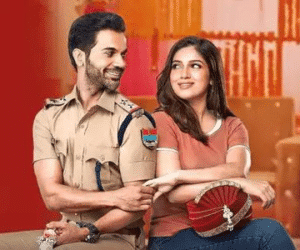
Image courtesy: Times of India
The landscape of Indian cinema has metamorphosed in several ways. With the diversity of thoughts and styles in filmmaking influenced heavily by native factors, cinema is the most potent medium for ushering in a change in the country. It can successfully steer society towards inclusion and acceptance, reinstating the need to respect all irrespective of sex, gender, and orientation.