Recently, two movies have spelt good news for people with disabilities. They come from two different parts of the world- India and the United States. However, they strengthen hope for cinema to become powerfully inclusive.
CODA (Child of Deaf Adults), a drama flick, which fetched the Oscar for Troy Kotsur in the Best Supporting Actor category, has made him the second deaf artist to win the coveted awards. The first was Marlee Matlin for Children of the Lesser God in 1987.
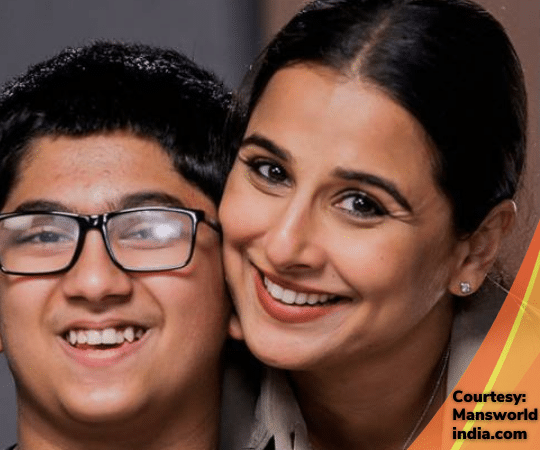
Closer home, the critically acclaimed Hindi thriller Jalsa featured Surya Kasibhatla, who has cerebral palsy, in an important role. It is a milestone for an industry that has spoken at length about disabilities but has done a little to be inclusive.
Reel vs. real
From Gulzar’s Koshish to Sai Paranjpye’s Sparsh and the pathbreaking Anjali by Mani Rathnam about a child with autism, several films have explored different kinds of disabilities. Some heart-warming, many a times heartbreaking, and some inspiring stories—they have presented the trials and tribulations of the population.
However, a contrast to the reel stories, their appearance is often restricted. People with dwarfism essay side roles and are relegated to a parallel comedy track. Some films have been plain insensitive and offensive by making disabilities a joke. These have perpetuated biases about them, misrepresented and marginalized them further.
The Indian film industry has had its talent pool in the community. Actor Sudha Chandran danced like a dream in Mayuri, with a prosthetic leg. The late Ravindra Jain, who was visually impaired, had his own space in music– best remembered for his work in Chitchor. However, these have been sporadic.
A worldwide movement
Worldwide, there is growing awareness about the need to make the entertainment industry more inclusive. OTT platforms have given it suitable avenues with documentaries like Crip Camp: A Disability Revolution. The work has been lauded for its accurate portrayal of persons with disabilities—with cast and crew comprising people with disabilities.
In India, Jalsa has flipped the scene to accommodate an actor with actual disabilities to not just make a point about their limitless potential. It has also opened the doors for more to enter, and for a proactive talent scouting by filmmakers to discover a wider range of artists.
Casting actors with disabilities can also cut the stereotypes as they deliver the most authentic portrayal.
Jalsa has set the ball rolling for inclusion and hopefully isn’t a flash in the pan. It also shouldn’t stop with actors. There is a need for a broader range of talent in various roles to reset thoughts, re-draw their images, and re-create their stories.